Historical remedies were recipes, not just plants.
See what each preparation would extract — with the uncertainty left in.
For pharmacognosists, historians of medicine and labs deciding what to test. Culpeper (1652 and 1850 editions) and Pliny’s Natural History.

Three ways in
 01
Explore recipes
Search Culpeper and Pliny. Every plant, every passage, every extracted field — disputes left visible.
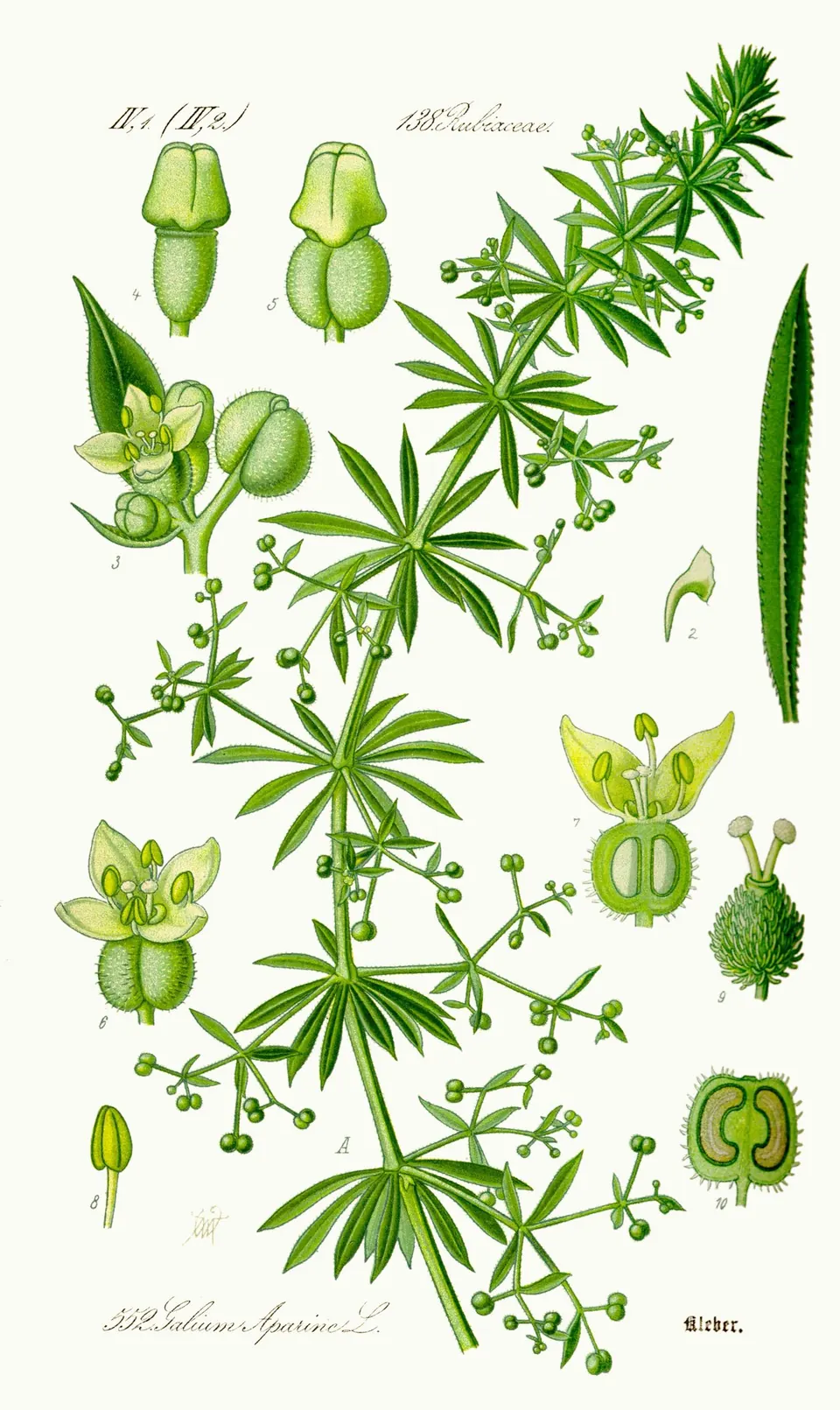
Plate: Galium aparineOpen the Recipe Atlas →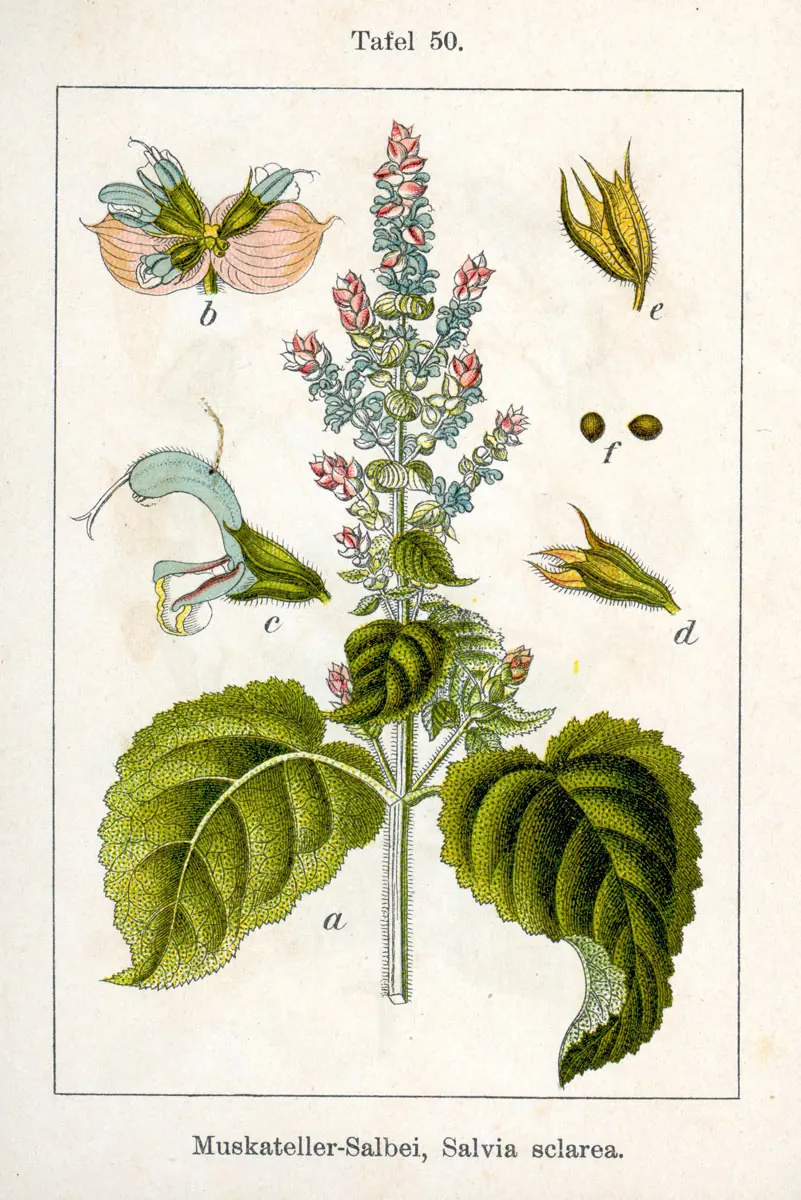 02
Preparation Lab
Change the solvent, heat, filtration and acidity. Watch the compound profile respond, ranges and all.
Plate: Salvia sclareaStart in the Lab →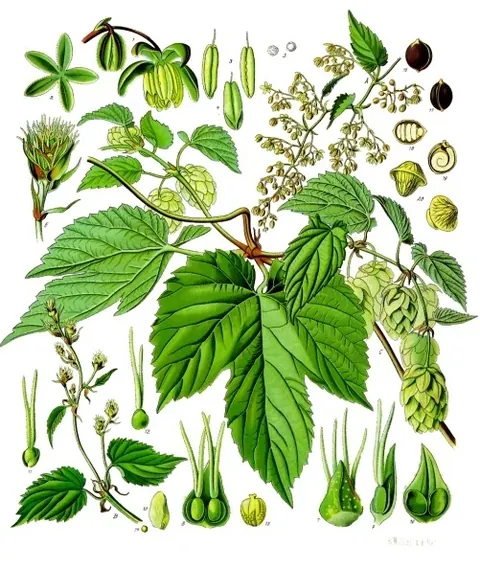 03
The evidence gap
How rarely modern studies say how they prepared the plant they tested.
Plate: Humulus lupulusSee the gap →


Illustrations: 19th-century botanical plates, public domain, from Wikimedia Commons; licences read from Commons; not yet independently confirmed. Image credits.
7 of 43
modern studies that prepared the plant say whether it was fresh or dried (16%; 95% interval 8%–30%).
Every number shows how far to trust it
Ranges, not points. Disputed plant names stay disputed. Unknowns stay visible. Plants with toxicity reported are analysis-only.
How it was made: Methods & dataLiquorice, read as a recipe
Liquorice “juice”: the misreading, the evidence, the correction and the new result — one plant, followed through the tool.
Read the case study →